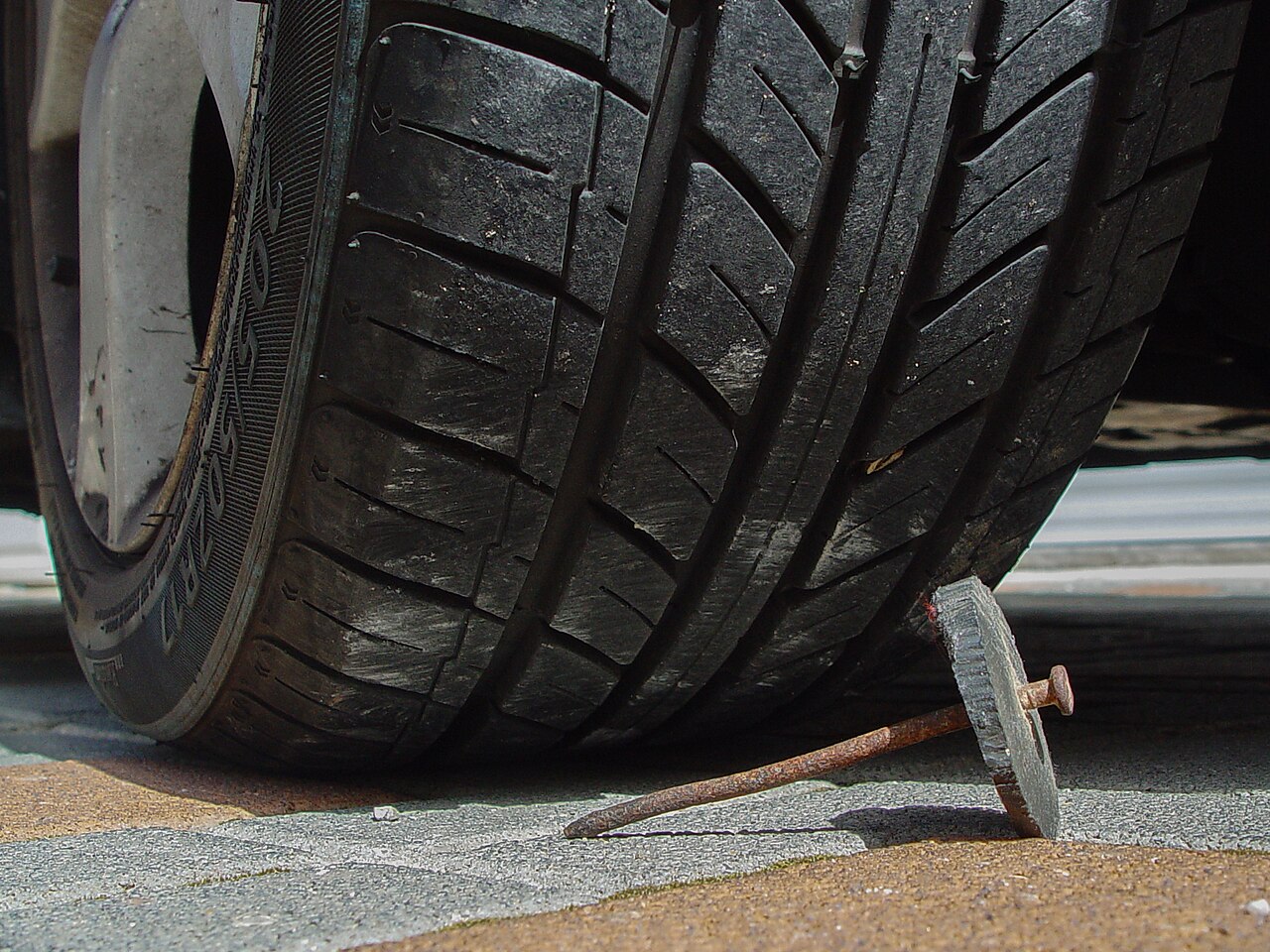
The Soapy Water Test: Finding a Slow Puncture at Home
Imagine you're driving down the Rickenbacker Causeway on a balmy autumn morning, the sun rising over the Miami skyline, when your tire pressure light flickers on. You're not sure what's causing it, but you know you need to get to the bottom of it before it's too late. You pull over at the next exit and take a deep breath, preparing yourself for the task ahead.
The soapy water test is a simple method to find slow punctures at home. It involves spraying soapy water on the tire and watching for bubbles. A slow puncture will produce bubbles, indicating air escaping from the tire.
How Does the Soapy Water Test Work?
The soapy water test is a clever way to detect slow punctures. It works by applying a layer of soap to the tire and then spraying water over it. If there's a slow leak, the soap will create a foam or bubble pattern, indicating where the air is escaping. This method is effective because it's non-invasive and doesn't require any special equipment. In fact, the soapy water test can detect even the smallest of leaks, making it an essential tool for any DIY enthusiast or car owner. To perform the soapy water test, you'll need a few simple materials. First, you'll need a tire pressure gauge to ensure your tire is properly inflated. Next, you'll need some dish soap or car wash soap. Finally, you'll need a spray bottle filled with water. Once you have these materials, simply spray the soapy water onto the tire and watch for bubbles. If you see bubbles forming, it's likely that you have a slow puncture.Why Is the Soapy Water Test Important?
A slow puncture can be just as damaging as a blowout. It can cause uneven tire wear, reduced fuel efficiency, and even damage to your vehicle's suspension system. By using the soapy water test, you can identify slow punctures early on and take care of them before they become major problems. In fact, regular tire checks can help extend the life of your tires and prevent costly repairs down the road.How to Use the Soapy Water Test
Using the soapy water test is a simple process that requires minimal equipment. First, make sure your tire is properly inflated using a tire pressure gauge. Next, apply a layer of soap to the tire using a soft-bristled brush or a cloth. Then, spray water over the soapy area using a spray bottle. If you see bubbles forming, it's likely that you have a slow puncture. It's also important to note that the soapy water test can be used on any type of tire, including bias-ply, radial, and even run-flat tires. However, it's essential to use the correct type of soap and water for the test. Dish soap or car wash soap is recommended, as they are gentle on the tire and won't damage the rubber.What Does the Video Show?
The video above is from EricTheCarGuy, who demonstrates how to plug a tire and check for leaks — the same bubble-check principle as the soapy water test: find where the air escapes, then seal it. A good visual companion to the steps above.