 ```html
Changing a tire on the shoulder in Miami-Dade County takes about 15–20 minutes with the right tools. You’ll need a spare, jack, lug wrench, and gloves—plus a safe spot off the road. The key is to jack up the car evenly, remove the damaged tire, and mount the spare before driving. Never do it on a busy road or in the dark.
You’re on the shoulder of I-95 at 10 PM with a flat — what now?
The air is thick with humidity, the streetlights flicker, and your tire is hissing like a snake. You’re not alone: Miami-Dade drivers hit this spot every month, especially after rain or on the way home from work. The shoulder is narrow, the traffic moves fast, and the spare tire in your trunk feels like it’s been there since the last flat. You’ve got three choices: call a tow, change it yourself, or risk it and keep driving. If you’re reading this, you’re picking the middle option—good. But here’s the catch: most people fail at this step because they skip the prep work. They jack up the car, wrench the lug nuts, and then realize the jack is wobbly or the spare won’t fit. That’s why we’re breaking it down into 12 steps—so you don’t make those mistakes.
Before you start, pull over to the right shoulder (never the left) and turn on your hazard lights. If you’re on a highway like I-95 or US-1, exit at the next ramp. In Miami-Dade, that’s often the next 2–3 miles away. If you’re on a local road like NE 127th St or SW 8th St, find a flat spot away from traffic. Never change a tire on a hill or in a curve. The ground has to be stable—think of it like setting up a tent in a windy park. If the ground is soft (like after a storm), dig in with your shoes or lay down a board under the jack.
You’ll need four things: your spare tire (check it’s not flat), a jack, a lug wrench, and gloves. If you don’t have these, you’re already in the wrong place. Most cars come with a jack in the trunk, but if yours is missing, you’re going to need to call for help. Pro tip: keep a small toolkit in your car with a flashlight, a first-aid kit, and a tire pressure gauge. You’ll thank yourself later.
What’s in your spare? (And why your spare might be useless)
First, check your spare. If it’s a "donut" (a small temporary tire), it’s only meant for short distances—like getting to the nearest tire shop. Don’t drive more than 50 miles on it, and never exceed 50 mph. If your spare is a full-size tire, you’re good to go. But here’s the thing: most spares sit in the trunk for years and get flat. If it’s flat, you’re out of luck—you’ll need a tow. That’s why we always recommend checking your spare tire pressure every time you check your other tires.
Now, grab your lug wrench and jack. If your car has a spare tire cover (the metal box in the trunk), remove it first. Most modern cars have a release handle—just pull it out. If yours doesn’t, you might need to use a screwdriver to pry it open. Never use a screwdriver as a wrench—it’ll slip and damage your lug nuts. Once the cover is off, you’ll see the spare tire, the jack, and sometimes a toolbox with extra lug nuts or a torque wrench.
Where’s the flat? (And how to tell if it’s repairable)
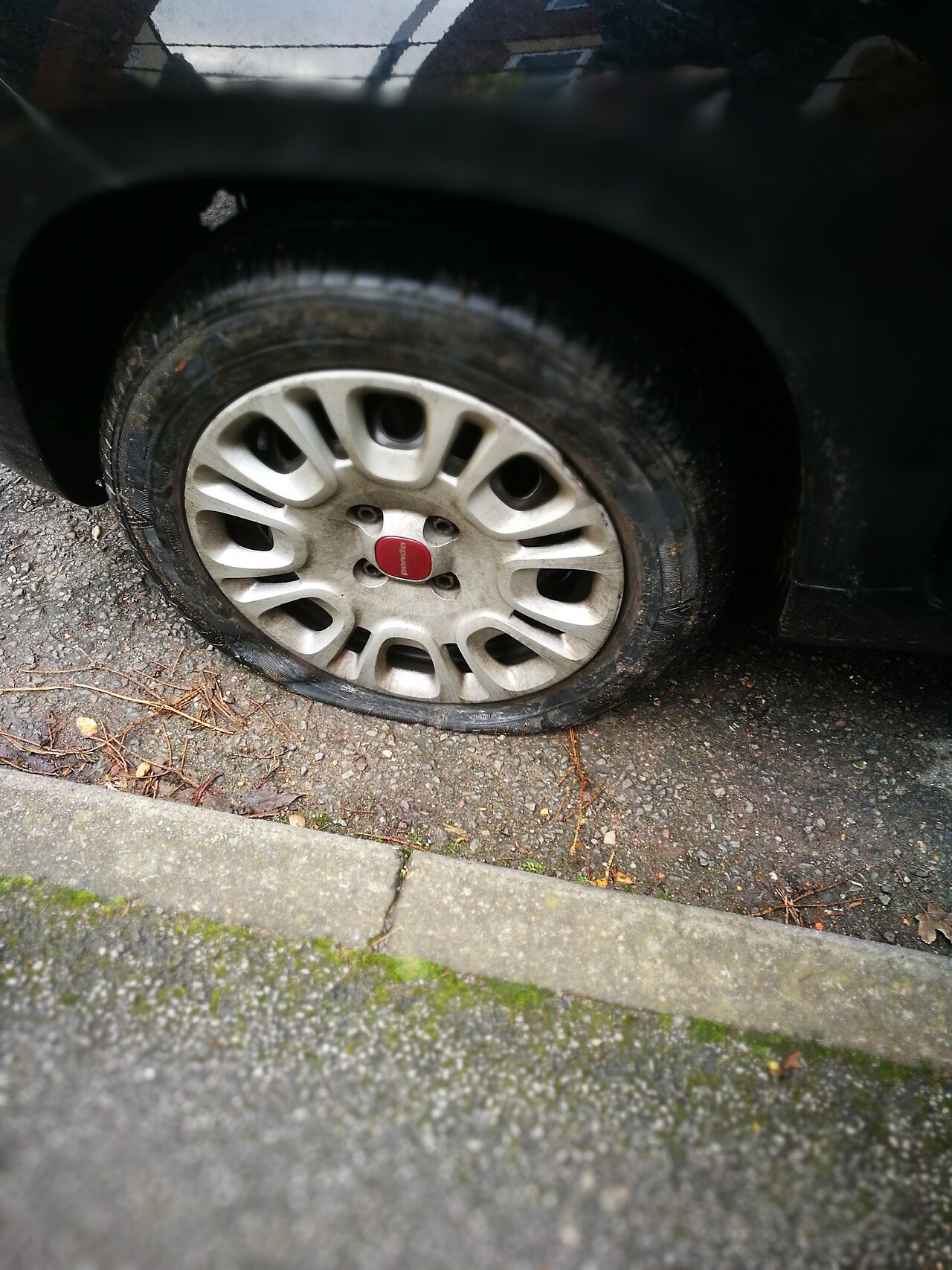
Before you start, inspect the flat tire. If the sidewall is cut or cracked, the tire is ruined—don’t even try to change it. Sidewall damage means the tire is beyond repair, and you’ll need a new one. But if the flat is just in the tread (the rubbery part that touches the road), it might be repairable. A nail or screw in the tread? Leave it in for now—you’ll need to plug it later. If the tire is just blown out (like a balloon popping), it’s usually fixable.
Here’s what to watch for:
- Sidewall damage: Cuts, bulges, or cracks mean the tire is ruined. Don’t touch it.
- Tread flat: If the tire is just flat but the tread is intact, it’s repairable. But you’ll need to plug the hole before driving.
- Blowout: If the tire is completely deflated but the sidewall looks fine, it might be fixable. But if it’s hissing or leaking air, it’s time for a new tire.
Step 1: Park safely (and why your location matters)
Pull over to the right shoulder of the road. If you’re on a highway like I-95 or US-1, exit at the next ramp. In Miami-Dade, that’s often within 2–3 miles. If you’re on a local road like NE 127th St or SW 8th St, find a flat spot away from traffic. Never change a tire on a hill or in a curve. The ground has to be stable—think of it like setting up a tent in a windy park. If the ground is soft (like after a storm), dig in with your shoes or lay down a board under the jack.
Turn on your hazard lights. If you’re on a busy road, step out of the car and stand behind the bumper. Never work on the side of the road facing traffic. That’s how accidents happen. If you’re on a highway, wait for a safe gap in traffic before stepping out.
Step 2: Loosen the lug nuts (but don’t remove them yet)
Before you jack up the car, loosen the lug nuts on the flat tire. Use the lug wrench to turn them counterclockwise (lefty-loosey). Don’t remove them yet—just loosen them so they’re easy to take off once the car is up. If the lug nuts are stuck, spray them with WD-40 or tap them with a hammer. But don’t use a screwdriver—it’ll slip and damage the lug nut.
Here’s what to do:
- Place the lug wrench on the first lug nut.
- Turn it counterclockwise until it’s loose.
- Move to the next lug nut and repeat.
Step 3: Jack up the car (and why you can’t just lift it)
Now, it’s time to jack up the car. Most cars have a jacking point near the wheel well. It’s usually marked with a symbol or a small hole. If you can’t find it, check your owner’s manual. Never jack up the car from the wrong spot—it could damage the frame or the suspension.
Place the jack under the jacking point and pump it up until the flat tire is about 2–3 inches off the ground. Don’t lift it higher than that—you’ll strain the jack and risk it slipping. If the jack wobbles, dig in with your shoes or lay down a board under it. You want the jack to be as stable as a table leg.
Step 4: Remove the flat tire (and why it’s easier than it looks)
Now that the car is up, remove the lug nuts and take off the flat tire. Most tires have a center nut that holds the wheel on. If yours doesn’t, you’re good to go. But if it does, use the lug wrench to remove it first. Don’t forget to keep the lug nuts in a safe place—you’ll need them for the spare.
Here’s what to do:
- Remove all the lug nuts and set them aside.
- Grab the edge of the tire and pull it toward you. It might be stuck, so wiggle it side to side.
- Once it’s loose, lift it off and set it aside.
Step 5: Mount the spare tire (and why it’s not as hard as it seems)
Now, it’s time to mount the spare tire. Line it up with the wheel bolts and push it onto the hub. Don’t force it—if it won’t go on, you might have the wrong size spare. Some cars have a different spare size, so check your owner’s manual.
Once it’s lined up, hand-tighten the lug nuts. Don’t use the wrench yet—just get them snug by hand. Then, lower the car until the spare tire touches the ground. Now, you can tighten the lug nuts with the wrench. Tighten them in a star pattern—alternate between the lug nuts to ensure even pressure.
Step 6: Lower the car and final tighten (and why you can’t skip this)
Lower the car all the way to the ground. Now, tighten the lug nuts with the wrench. Tighten them in a star pattern—alternate between the lug nuts to ensure even pressure. This prevents the wheel from wobbling. Once they’re tight, remove the jack and put everything back in the trunk.
Here’s what to do:
- Lower the car until the spare tire touches the ground.
- Tighten the lug nuts in a star pattern.
- Remove the jack and put it back in the trunk.
- Put the flat tire and the jack back in the trunk.
Step 7: Test drive (and why you shouldn’t drive fast)
Before you drive off, take a short test drive. Pull out onto the shoulder and drive slowly for a few miles. Listen for any unusual noises or vibrations. If the spare tire feels loose or wobbles, stop and tighten the lug nuts again. Don’t drive more than 50 miles on a donut spare, and never exceed 50 mph. If your spare is a full-size tire, you can drive normally, but still get it checked as soon as possible.
Step 8: Where to go next (and why you can’t ignore this)
Once you’ve changed the tire, you need to get it fixed or replaced. If the flat was caused by a nail or screw, you can plug it at most tire shops. But if the tire is damaged (like a sidewall cut), you’ll need a new tire. Don’t wait—drive to the nearest tire shop or call us for a tow. In Miami-Dade, we recommend:
- Flat Tire Miami for 24/7 roadside assistance (786) 551-9398
- Local tire shops like TirePro or Goodyear for repairs
If you’re not sure what to do, call us. We’ll help you figure it out.
Watch this step-by-step guide to see how it’s done:
What the video shows (and what you need to remember)
The video walks you through the entire process, from pulling over safely to mounting the spare tire. It shows you where to place the jack, how to loosen the lug nuts, and how to tighten them properly. The key points are:
- Safety first: Always pull over to the right shoulder, turn on your hazard lights, and step out of the car facing traffic.
- Jack placement: Use the jacking point marked on your car’s frame. Never jack up the car from the wrong spot.
- Lug nuts: Loosen them before jacking up the car, but don’t remove them yet. Tighten them in a star pattern after mounting the spare.
- Spare tire: If it’s a donut, don’t drive more than 50 miles at 50 mph. Get it checked as soon as possible.
The video also emphasizes the importance of checking your spare tire pressure regularly and keeping your tools in good condition. It’s a quick but thorough guide that covers everything you need to know to change a tire safely.
What if I can’t change the tire myself?
If you’re not comfortable changing a tire, or if the tire is damaged beyond repair, you’ll need to call for help. In Miami-Dade County, we recommend using a professional service like Flat Tire Miami. We’re available 24/7 to help you with any tire-related issue, from flat tires to blown-out tires. Our technicians are trained to handle all types of emergencies, so you can rest easy knowing your car is in good hands.
When to call us
Call (786) 551-9398 if:
- You can’t find the jack or lug wrench in your trunk.
- The tire is damaged beyond repair (sidewall cuts, bulges, or cracks).
- You’re on a busy highway or in a dangerous location.
- You’re not comfortable changing the tire yourself.
- The flat tire keeps coming back after you’ve plugged it.
Flat Tire Miami serves all of Miami-Dade County, including I-95, US-1, and local roads like NE 127th St and SW 8th St. We’re here to help 24/7, so you never have to worry about being stranded on the side of the road.